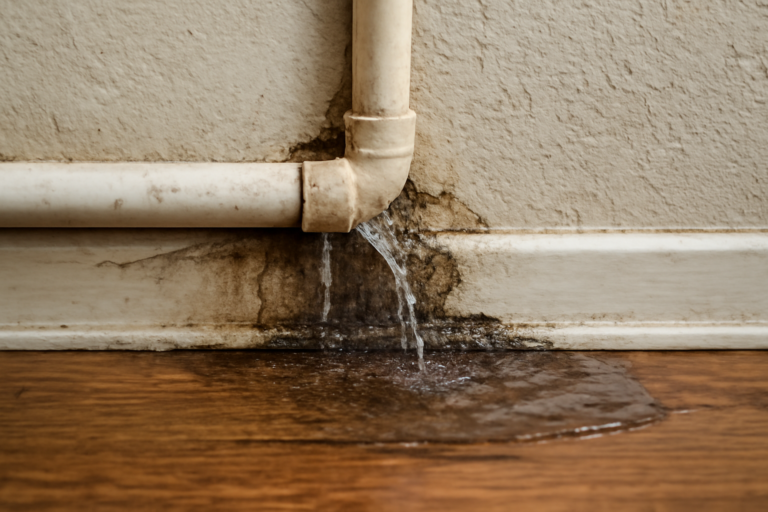
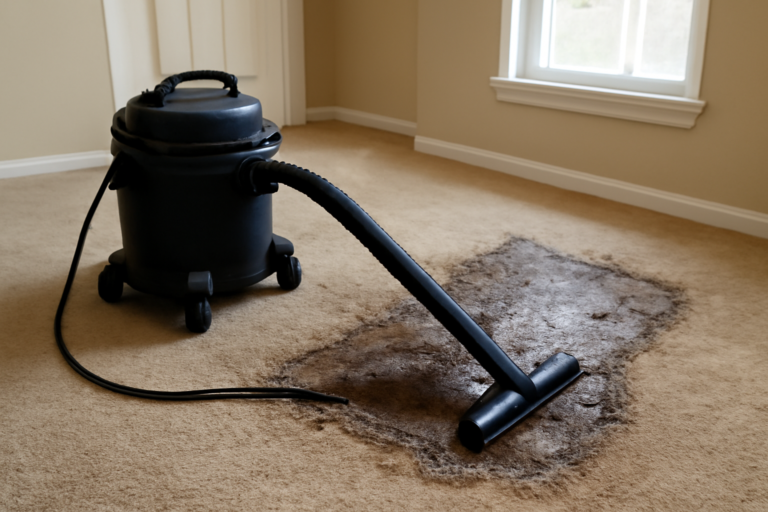
Tile Floor Water Extraction in South Hill, WA
Trusted by 160+ Homeowners
- Over 164 5-Star Reviews
- Free Estimates and Quotes
- 100% Satisfaction Guaranteed
- Child, Family & Pet Safe Steps
- 24-Hour Emergency Service
- Fully Licensed & Insured
- Call
- We arrive
- Restored
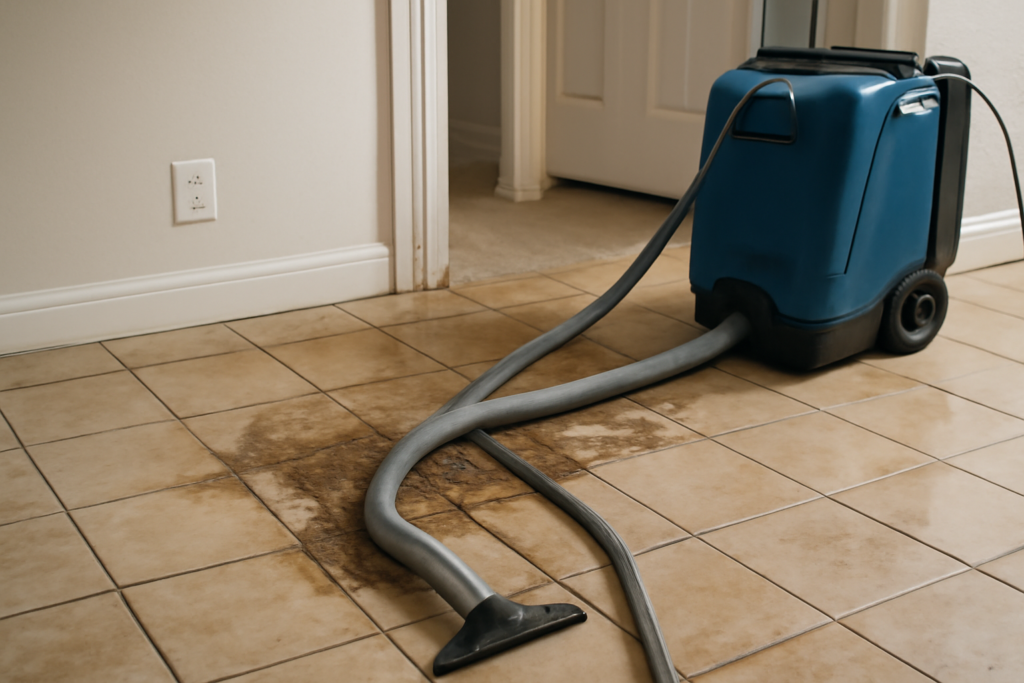
Water Damage on Tile Floors: What You Need to Know in South Hill, WA
Did you know that water damage on tile floors can lead to mold growth within 48 hours, causing health issues for you and your family? In South Hill, WA, it’s essential to act quickly when dealing with water damage to prevent costly repairs and potential health risks. Our team of experts has seen firsthand the devastating effects of delayed water damage restoration.
With over 165+ five-star reviews, you can trust our team to provide top-notch service and restore your tile floors to their original condition. We’ve helped many homeowners in the area navigate the complex process of insurance claims and coverage, ensuring you get the compensation you deserve.
- Quick Response Times: We respond within 60 minutes to reduce damage and prevent further issues.
- Expert Equipment: Our technicians use the latest equipment to extract water and dry your tile floors efficiently.
- Insurance Navigation: We’ll guide you through the insurance claims process, ensuring you receive fair compensation for the damage.
How Our Team Extracts Water from Tile Floors
The process of water extraction from tile floors is a delicate one, needing precision and expertise to avoid further damage. Our team follows a meticulous process to ensure your floors are restored to their original condition. We begin by assessing the damage and identifying the source of the leak or flood.
Step 1: Assessment and Planning
We’ll assess the extent of the damage and create a customized plan to extract the water and dry your tile floors. Our technicians will identify the best course of action to prevent further damage and ensure a successful restoration.
Step 2: Water Extraction
We’ll use specialized equipment to extract the water from your tile floors, including wet/dry vacuums and submersible pumps. Our technicians will work efficiently to reduce downtime and prevent further damage.
Step 3: Drying and Dehumidification
Once the water has been extracted, we’ll use industrial-grade dehumidifiers and fans to dry your tile floors and surrounding areas. This step is crucial in preventing mold growth and ensuring a thorough restoration.
Step 4: Sanitizing and Disinfecting
We’ll use eco-friendly sanitizers and disinfectants to remove any remaining bacteria, viruses, or other microorganisms that may be present on your tile floors.
Step 5: Final Inspection and Touch-ups
Our team will conduct a final inspection to ensure your tile floors are completely dry and restored to their original condition. We’ll make any necessary touch-ups to ensure a flawless finish.
Don’t wait, act quickly to prevent further damage and potential health risks. Contact our team today to schedule a water extraction service and get back to your normal routine.

Warning Signs You Need Tile Floor Water Extraction
Ignoring warning signs can lead to costly repairs and potential health issues. Be aware of these common signs that show you need tile floor water extraction:
Musty Odors That Won’t Go Away
Strong, persistent odors can show moisture buildup in your tile floors. If you notice unpleasant smells, it’s essential to investigate further to prevent mold growth.
Water Stains or Discoloration
Visible water stains or discoloration on your tile floors can show water damage. Don’t ignore these signs, as they can lead to further damage and costly repairs.
Warped or Buckled Tile
Warped or buckled tile can show water damage or excessive moisture. Address these issues quickly to prevent further damage and potential health risks.
Peeling or Cracking Grout
Peeling or cracking grout can show water damage or excessive moisture. Inspect your grout regularly to prevent further damage and costly repairs.
Unusual Sounds or Creaks
Unusual sounds or creaks from your tile floors can show water damage or structural issues. Investigate these sounds quickly to prevent further damage and potential health risks.
Tile Floor Water Extraction vs. DIY: When to Call a Professional
| Situation | DIY? | Call a Pro? | Why |
|---|---|---|---|
| Small water spill on a single tile | Yes | No | You can likely clean it up yourself with a wet/dry vacuum and some towels. |
| Water damage affecting multiple rooms or floors | No | Yes | This needs specialized equipment and expertise to prevent further damage and potential health risks. |
| Tile floor with visible water stains or discoloration | No | Yes | A professional assessment is necessary to find out the extent of the damage and develop a plan for restoration. |
| Water damage caused by a burst pipe or flood | No | Yes | This needs immediate attention to prevent further damage and potential health risks. |
| Tile floor with warped or buckled tile | No | Yes | A professional assessment is necessary to find out the extent of the damage and develop a plan for restoration. |
| Water damage affecting a single room with minimal damage | Maybe | Yes | A professional assessment can help find out the best course of action and ensure a successful restoration. |
While DIY may seem like a cost-effective option, it’s essential to consider the potential risks and consequences of water damage. If you’re unsure about the extent of the damage or the best course of action, it’s always best to consult a professional.
Tile Floor Water Extraction Cost in South Hill, WA
The cost of tile floor water extraction in South Hill, WA, varies depending on the severity of the damage, the size of the affected area, and local conditions. Our team provides free estimates to help you understand the costs involved.
| Service | Typical Price Range | What Affects Cost |
|---|---|---|
| Water extraction and drying | $500 – $2,500 | Size of affected area, severity of damage, and equipment needed |
| Sanitizing and disinfecting | $100 – $500 | Size of affected area and type of sanitizer used |
| Grout repair or replacement | $200 – $1,000 | Size of affected area and type of grout used |
| Tile replacement | $500 – $2,500 | Size of affected area and type of tile used |
| Dehumidification and ventilation | $100 – $500 | Size of affected area and type of equipment used |
| Final inspection and touch-ups | $100 – $500 | Size of affected area and type of repairs needed |
Exact pricing depends on an on-site assessment, and we offer free estimates to help you understand the costs involved.
Service Areas Near South Hill, WA
We serve the following areas: Lakewood, University Place, Steilacoom, DuPont, Fircrest, Gig Harbor, Fox Island, Key Peninsula, Vaughn, Purdy, Artondale, Lakebay, Home, Kopachuck, Wauna, and surrounding communities.
Common Questions About Tile Floor Water Extraction
Q: How long does tile floor water extraction take?
A: The time required for tile floor water extraction varies depending on the severity of the damage and the size of the affected area. Our team will provide a customized timeline based on your specific situation. In general, we can complete the process within 3-5 days, depending on the extent of the damage.
Q: Will my tile floors be damaged during the extraction process?
A: Our team takes great care to prevent further damage during the extraction process. We use specialized equipment and techniques to reduce disruption and ensure a successful restoration. But, if your tile floors are severely damaged, more repairs may be necessary.
Q: Can I use a wet/dry vacuum to extract water from my tile floors?
A: While a wet/dry vacuum can be used for small water spills, it’s not enough for large-scale water damage. Our team uses specialized equipment, including submersible pumps and industrial-grade dehumidifiers, to ensure a thorough extraction and drying process.
Q: Will I need to replace my tile floors after water damage?
A: In some cases, tile floors may need to be replaced due to extensive damage or mold growth. But, our team will assess the damage and provide recommendations for restoration or replacement. We’ll work with you to find the most cost-effective solution.
Q: Can I use bleach to sanitize my tile floors after water damage?
A: Bleach is not recommended for sanitizing tile floors after water damage. Instead, our team uses eco-friendly sanitizers and disinfectants that are safe for people, pets, and the environment.
Check Our Other Relevant Services
Serving South Hill, WA And Nearby Areas