South Hill, WA · Pierce County
Basement Water Removal in South Hill, WABasement Drying Services & Sump Pump Failure Water Cleanup
After a burst pipe or storm, Basement Water Removal in South Hill means basement water pump out, basement wall drying and basement drying services.
Answered 24/7
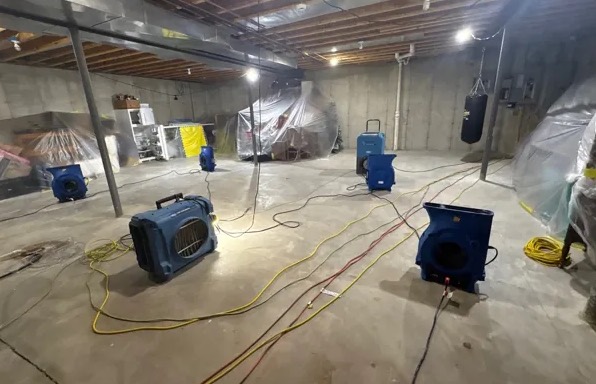
Local Basement Water Removal Services for South Hill
Basement Water Removal in South Hill starts with safety. Water near the furnace, water heater or electrical panel can be dangerous, so power is made safe before anyone steps into it.
In South Hill, when a basement or below-grade room takes on water, it usually follows heavy rain, a sewer backup or a burst pipe. Local water damage pros serve South Hill, Frederickson, Orting and Puyallup, pumping water out and drying the space.
Comprehensive Basement Water Removal Solutions
Basement Drying Services
Drying plans for basements account for cool air and thick concrete, which hold moisture longer than upper floors.
Sump Pump Failure Water Cleanup
Cleanup after a sump failure includes drying the area around the pit and noting whether the pump, switch or power was the cause.
Basement Floor Water Damage
Flooring that buckled or swelled is removed. Tile and sealed concrete can often be cleaned and dried in place.
Basement Dehumidification
After drying, a household dehumidifier may still be needed to keep basement humidity in a healthy range.
Basement Moisture Inspection
Moisture meters and thermal cameras check walls, floors and the slab for water that is not visible, including behind finished walls.
When to Call for Basement Water Removal in South Hill
Warped or Buckling Flooring
Flooring that buckles, lifts or feels spongy has water trapped between it and the slab.
Rusted Appliances or Furniture
Rust on appliance bases, furniture legs or metal shelving points to standing water or long-term dampness.
Efflorescence on Concrete Walls
White, powdery deposits on concrete walls mean water is passing through the masonry.
Mold or Mildew
Dark spots on drywall, framing or stored items mean the area has stayed wet for days.
How Basement Water Removal Works in South Hill
Step 1: First Call and Initial Assessment
The source, the type of water and the depth are checked, and the water level is photographed.
Step 2: Bulk Water and Contaminant Removal
Pumps remove standing water, and carpet, pad or drywall touched by dirty water is removed.
Step 3: Drying With Monitoring
Dehumidifiers and air movers run around the clock, with readings logged every day on walls and slab.
Step 4: Post-Drying Evaluation and Documentation
Final readings and photos are compiled to show the basement is dry and what was removed.
Common Causes of Basement Flooding in South Hill
Sump Pump Malfunction or Power Loss
A sump pump that fails mechanically or loses power during a storm lets groundwater rise.
Clogged or Damaged Gutters
Clogged gutters and short downspouts dump roof water right next to the foundation.
Window Well Leaks and Drainage
Window wells without drains or covers fill with rain and leak through the windows.
Foundation Cracks and Seepage
Cracks in foundation walls and the slab let groundwater seep in during wet weather.
Both Residential & Commercial Basement Water Removal
Residential Basement Water Removal
Families should keep children and pets away from basement water until power is safe and the type of water is known.
Commercial Basement Water Removal
In restaurants and shops, basement water near food or stock storage needs removal and cleaning before those areas are used again.
Basement Water Removal vs. DIY: When to Call the Pros
Water that came up through a floor drain may be sewage. Avoid touching it, keep children and pets away and call local water damage pros for cleanup with protective gear and disinfection.
Basement Water Removal Cost in South Hill, WA
The pros look at water depth, water type and basement finishes before pricing basement water removal in South Hill, then explain the scope.
Contamination Level
Sewage or dirty water needs protective gear, removal and disinfection, which costs more.
Drying Time Required
Basements dry slowly, and each extra day of equipment adds to the total.
Access and Complexity
Narrow stairs, low ceilings and crowded storage areas make the work slower and longer.
Does Insurance Cover Basement Water Removal?
Photos, moisture readings and drying logs from the pros help support an insurance claim for basement water damage in South Hill.
Why South Hill Homeowners Trust Local Pros for Basement Water Removal
Focus on Drying Outcomes
Drying continues until readings are normal, not just until surfaces look dry.
Methodical Water Removal Process
Water is removed in a set order: pump-out, extraction, removal of soaked materials, then drying.
Detailed Damage Documentation
Photos, readings and drying logs are kept to support your insurance claim.
Emergency Basement Flood Response in South Hill
Water still rising in the basement? Call (253) 453-4973 now for basement water removal in South Hill before the water reaches finished rooms and stored belongings.
Call Now (253) 453-4973Basement Water Removal Serving South Hill and Surroundings
Nearby areas served for basement water removal include Frederickson, Orting and Puyallup, with the same pumping and drying steps used in South Hill.
Basement Water Removal FAQs
What causes basement floor water damage?
Storm seepage, burst pipes, appliance leaks, foundation cracks and sewer backups through floor drains are the usual sources.
What is the difference between a pump out and extraction?
A pump out removes deep standing water. Extraction pulls the remaining water from carpet, pad and floors.
Why is fast water removal so important for basements?
Basements dry slowly, so every hour of standing water adds drying days and more materials to replace.
What is involved in basement water removal?
Making power safe, pumping out standing water, extracting floors and carpet, removing soaked materials and dehumidifying until dry.
How is contaminated water handled in a basement?
With protective gear, containment, removal of porous materials and disinfection of hard surfaces before drying.