Lakewood, WA · Pierce County
Snow and Ice Storm Damage Cleanup in Lakewood, WAWinter Storm Wet Drywall Removal & Ice Storm Roof Leak Cleanup
Snow and Ice Storm Damage Cleanup in Lakewood covers frozen pipe burst cleanup, ice storm roof leak cleanup and winter storm structural drying.
Answered 24/7
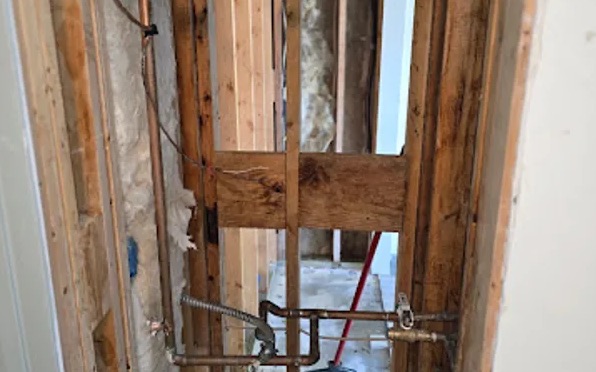
Ice Storm Damage Restoration in Lakewood
Roof leaks after an ice storm in Lakewood often show up days later as stains near exterior walls, once trapped water works its way down.
When a winter storm hits Lakewood, water damage usually comes from a frozen pipe or a roof damaged by ice and limbs. Local winter storm damage pros also handle properties in Steilacoom, University Place and Parkland.
Snow and Ice Storm Damage Cleanup Offered in Lakewood
Winter Storm Wet Drywall Removal
Clean water from a supply line may allow drywall to be dried in place. Moisture readings decide what can be saved and what must come out.
Ice Storm Roof Leak Cleanup
Ceiling stains after an ice storm usually mean the attic took on water. Wet insulation is removed and the space is dried with fans and dehumidifiers.
Wet Attic Insulation Removal
Wet insulation that stays in place can stain ceilings and lead to mold. It is removed and the attic is dried before new insulation goes in.
Winter Storm Structural Drying
Water that soaks into studs, joists and subfloor needs targeted drying. The pros run dehumidifiers and air movers until the framing reaches dry readings.
Winter Storm Water Extraction
Standing water from a burst pipe or leak is pumped and vacuumed out first. Drying equipment works far better once floors are clear.
Winter Storm Water Damage Warning Signs in Lakewood
Puddles on Floors
Water on floors near exterior walls, sinks or the water heater after a freeze often comes from a split supply line.
Water Running Inside a Wall
The sound of running water with no fixture on, or a wet spot growing on drywall, points to a burst pipe inside the wall.
Sagging or Bowing Ceilings
A ceiling that sags or bows is holding water from a roof leak or a burst pipe above. Keep clear and have it drained safely.
Stains on Walls and Ceilings
Yellow or brown stains that spread after a winter storm point to an active leak from the roof or a pipe inside the wall.
How Snow and Ice Storm Damage Cleanup Works in Lakewood
Step 1: Roof Leak and Attic Inspection
The pros check the attic for wet insulation and framing and trace the leak to the damaged roof area.
Step 2: Wet Attic Insulation Removal
Soaked insulation is bagged and removed so the attic framing and ceiling below can dry.
Step 3: Ceiling Water Damage Cleanup
Sagging or soaked ceiling drywall is drained and removed, and the area above is dried.
Step 4: Drying From the Top Down
Drying starts in the attic and works down so water does not drip onto rooms that are already dry.
How Ice Storms Cause Water Damage
Power Outages During a Freeze
When the power goes out, heat stops and pipes in colder parts of the house freeze faster.
Leaks Found Late
Pipes that split while a home is empty during a storm can leak for days before anyone notices the damage.
Roof Damage From Ice and Limbs
Ice-loaded tree limbs break and fall onto roofs, tearing shingles and opening holes that let water into the attic.
Ice-Clogged Gutters
Gutters packed with ice overflow and send water down walls and against the foundation, where it can seep inside.
Home and Business Snow and Ice Storm Damage Cleanup in Lakewood
Residential Snow and Ice Storm Damage Cleanup
In homes with water in the walls after a freeze, the pros open only the wet sections, found with moisture meters, to keep repairs smaller.
Commercial Snow and Ice Storm Damage Cleanup
Restaurants and clinics with burst pipes get water extracted and affected areas cleaned and dried before they reopen.
When DIY Is Not Enough After a Winter Storm
Mopping a small puddle is reasonable DIY work. Water that reached drywall, insulation or subfloor needs moisture meters and drying equipment to find and remove.
Winter Storm Water Damage Cost Factors
Most of the cost comes from extraction, removal of wet insulation and drywall, and the number of days drying equipment runs.
Materials That Got Wet
Carpet, hardwood, drywall and insulation each dry differently. Hardwood and dense framing take longer.
Disposal of Damaged Materials
Wet insulation, carpet, pad and drywall have to be hauled away, and disposal is part of the total.
After-Hours Work
Work started at night, on a weekend or during a storm may cost more than scheduled work.
Does Insurance Cover Snow and Ice Storm Damage Cleanup?
Many homeowner policies cover sudden water damage from a burst pipe or a storm-damaged roof. Damage from poor upkeep is often excluded. Check your policy and call your insurer early.
Why Choose Local Pros for Snow and Ice Storm Damage Cleanup in Lakewood
Clear Scope Before Work Starts
A walk-through sets out what needs to be removed and dried before any work begins.
Top-Down Drying for Roof Leaks
Attics and ceilings are dried first so water does not drip onto rooms below that are already dry.
Available Any Time
Winter storm leaks often start at night or on weekends. Local winter storm damage pros can be reached at any hour to start extraction and drying.
Urgent Snow and Ice Storm Damage Cleanup for Lakewood Properties
Wet ceilings or flooded floors after an ice storm in Lakewood? Call (253) 453-4973 day or night to start extraction and drying.
Call Now (253) 453-4973Where Snow and Ice Storm Damage Cleanup Is Available Near Lakewood
Homes and businesses in Steilacoom, University Place and Parkland can get the same extraction and drying as properties in Lakewood.
Snow and Ice Storm Damage Cleanup FAQs for Lakewood Homeowners
What should I do while I wait for help?
Shut off the water, move valuables out of wet areas, take photos and stay out from under any sagging ceiling.
How long does drying take after a winter storm leak?
Most homes take three to five days, longer for hardwood, dense framing or cold conditions. Daily readings show when it is done.
Why does my house smell musty after a winter storm?
A musty smell means water is trapped somewhere, often in walls, attic insulation or under flooring, and needs to be dried.
How soon should water be removed after a winter storm?
As soon as possible. Within a day or two, wet drywall, carpet and framing start to break down and the risk of mold rises.
Who repairs the roof after an ice storm?
A roofer handles the roof itself. The pros remove water from the attic and ceilings and dry the structure.