Lakewood, WA · Pierce County
Smoke Damage Assessment in Lakewood, WAEmergency Smoke Damage Tarping & Smoke Residue Testing
Smoke Damage Assessment in Lakewood covers smoke odor source detection, HVAC system smoke contamination check and emergency smoke damage tarping.
Answered 24/7
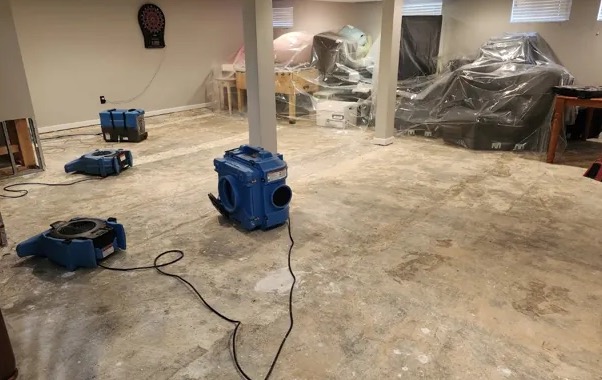
Detailed Smoke Damage Assessment in Lakewood, Washington
Smoke damage in Lakewood homes often spreads far beyond the room where the fire started. It leaves oily residue on surfaces and odors that are hard to remove, so the assessment covers the whole house.
Homes in Lakewood and nearby areas like Steilacoom, University Place and Parkland often need a detailed assessment after smoke damage. Local smoke odor experts evaluate soot on contents, the structure and air quality, including odor sources and HVAC systems, to plan a full recovery.
Detailed Smoke Damage Assessment Process in Lakewood, WA
Emergency Smoke Damage Tarping
Tarping and boarding create a controlled space for assessment and keep new contaminants out of the house.
Smoke Residue Testing
Different materials burn into different soot, from sticky to powdery. Knowing the residue type sets the cleaning plan for homes in Lakewood.
HVAC System Smoke Contamination Check
Soot coats duct interiors and coils and keeps releasing odor. Pros inspect the whole system to set the cleaning needed in Lakewood.
Post-Fire Surface Damage Evaluation
Cabinets, countertops and wood floors react differently to smoke. Local pros in Lakewood choose the right method for each material.
Smoke Odor Source Detection
Detection also finds odor absorbed into materials that never show soot, so every source in Lakewood homes is treated.
Indicators That Require a Professional Smoke Damage Assessment
Black Dust Around Plumbing Fixtures
Fine black powder around drains or toilet bases can be soot carried by air currents.
Smoke Odor Returns After Cleaning
A smoke smell that returns soon after cleaning means the source is deeper in the house.
Discolored or Dulled Paint and Varnish
Paint or finishes that look yellowed or dulled are often damaged by acidic soot.
Unusual Irritation or Respiratory Issues
Coughing, itchy eyes or breathing trouble at home can point to smoke in the indoor air.
How Smoke Damage Assessment Works in Lakewood
Step 1: Emergency Smoke Damage Tarping
The pros tarp openings so more soot and weather do not get in during the assessment.
Step 2: Structural Smoke Inspection
Pros inspect walls, ceilings and framing to see how far smoke reached and which soot types are present.
Step 3: Soot Damage Assessment for Contents
Every affected item is evaluated to decide what can be cleaned, restored or must be replaced.
Step 4: Post-Fire Air Quality Testing
Pros measure particles in the air to guide the cleanup plan and confirm what needs treatment.
What Leads to Severe Smoke Damage Assessment
Electrical Fire Smoke Contamination
Electrical fires create acrid smoke that corrodes metal and leaves a strong odor.
Natural Material Smoke From Wood
Burning wood or paper leaves dry, powdery soot that still discolors and odorizes surfaces.
High Heat Driving Smoke Into Materials
High heat forces smoke particles into the smallest pores of walls, floors and furniture.
Water Used During Firefighting
Firefighting water mixes with soot and spreads stains and residue further through the house.
Complete Smoke Damage Assessment for All Properties in Lakewood
Residential Smoke Damage Assessment
At home, pros check personal items and heirlooms for soot and odor and test HVAC systems and spaces behind baseboards.
Commercial Smoke Damage Assessment
Restaurant kitchens face grease-fire smoke, so pros check hoods, appliances and food surfaces to plan cleanup that meets health codes.
Why DIY Smoke Damage Assessment Falls Short in Lakewood
For light smoke exposure, open windows and run fans to move smoky air out, and wipe hard surfaces like counters with mild detergent. If odors stay or you see soot stains, call the pros for a professional assessment.
Factors Influencing Smoke Damage Assessment Cost in Lakewood, WA
In Lakewood, price depends on whether contents need assessment and whether the HVAC system must be checked too.
Emergency Measures
Emergency tarping done before the assessment is part of the overall cost.
Property Size
Larger homes in Lakewood have more space to test and inspect, which takes more time.
Surface Types
Delicate surfaces like stone or fine wood need special inspection methods and care.
Does Insurance Cover Smoke Damage Assessment?
Whether your policy covers an assessment depends on the cause of the fire and your limits. The experts in Lakewood provide reports for the adjuster, so confirm what cleanup is included.
The Value of Local Smoke Odor Experts for Your Smoke Damage Assessment
IICRC-Standard Assessment Methods
Assessments follow accepted industry steps so every pathway the smoke took is found.
Air Quality Verification
Air testing shows when the home is safe to live in again after the cleanup.
Content Damage Analysis
Belongings are inspected to decide what can be cleaned and what needs other care.
Emergency Smoke Damage Assessment Available Anytime in Lakewood
Soot settles fast into porous materials. To arrange an urgent contents and structure assessment in Lakewood, call the experts at (253) 453-4973.
Call Now (253) 453-4973Smoke Damage Assessment Near Lakewood: Areas Served
Homeowners in Lakewood, plus areas like Steilacoom, University Place and Parkland, can have odor sources found and damage documented by the experts.
Frequently Asked Questions About Smoke Damage Assessment
How long does a typical assessment take?
It depends on size and damage, but a full assessment of an average home often takes several hours.
Are smoke smells a health concern after a fire?
Odors can signal lingering particles, and air testing during the assessment can show any immediate problem.
What if smoke damage is only in one room?
Smoke travels on air currents, so a full assessment often finds contamination in other rooms and the HVAC system.
What is soot damage assessment for contents?
It checks your belongings for soot to decide which items can be cleaned and which need other attention.
What is the goal of smoke odor source detection?
To find where smoke smells come from, which is essential for planning odor removal that lasts.