Des Moines, WA · King County
Roof Leak Water Removal in Des Moines, WAAttic Water Extraction & Emergency Roof Tarping
Roof Leak Water Removal in Des Moines covers emergency roof tarping, attic water extraction, ceiling water damage cleanup and wet insulation removal.
Answered 24/7
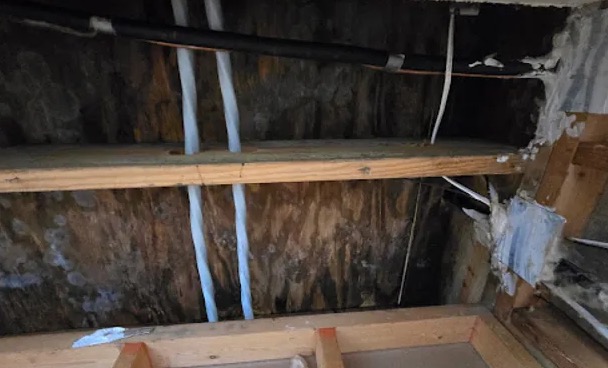
Roof Leak Water Removal for Des Moines Homes
In Des Moines, most roof leak calls start with a brown stain on the ceiling or water dripping from a light fixture during a storm.
Roof leak water removal is available in Des Moines and nearby Normandy Park, SeaTac and Kent. The pros tarp the opening if needed, extract the water and dry the attic framing and ceiling drywall.
Roof Leak Cleanup Services in Des Moines, WA
Attic Water Extraction
The pros remove standing water from the attic first, because a ceiling holding water can sag and give way under the weight.
Emergency Roof Tarping
When shingles are torn or a branch has punched a hole, the pros cover the opening with a weighted or battened tarp before they start drying the attic.
Wet Insulation Removal
Wet insulation loses its value and flattens. Removing it exposes the ceiling drywall and joists so air movers and dehumidifiers can reach them.
Structural Drying Services
Wet framing in Des Moines attics is dried with directed airflow and dehumidification. Daily readings show when the wood is dry enough for repairs.
Wall Cavity Drying
Water that follows a top plate or a pipe chase can soak insulation inside a wall. Moisture meters find it, and air is pushed into the cavity to dry it.
When a Roof Leak Needs Water Removal
Sagging or Bulging Drywall
A ceiling that bulges or feels soft is holding water. It can give way, so keep people and pets out of the room.
Water Stains on the Ceiling
Brown or yellow rings on the ceiling, often growing after each rain, mean water is reaching the drywall from above.
Wet or Flattened Insulation
Insulation that is matted, stained or damp to the touch in the attic means rain is getting past the roof deck.
Musty Smell After Rain
A damp, musty smell that gets stronger after storms often means insulation in the attic is staying wet.
How Roof Leak Water Removal Works in Des Moines
Step 1: Assess the Leak
The pros look at the roof, attic and ceilings to see how long the leak has been running and what it has soaked.
Step 2: Remove Water and Debris
Water, wet insulation and fallen drywall are cleared out so the attic and room below can dry evenly.
Step 3: Clean Wet Surfaces
Wood and drywall that stayed wet for a day or more are cleaned and treated before drying to limit odor and mold.
Step 4: Monitor Until Dry
Readings are taken on each visit and the equipment is moved as areas dry, until every wet spot reaches its target.
Why Water Gets Into the Attic in Des Moines
Cracked Vent Boots
The rubber collars around plumbing vents dry out and split with age, letting rain drip down the pipe into the attic.
Damaged or Missing Shingles
Wind, age and impact lift or tear shingles and leave the underlayment exposed, so rain soaks straight into the decking.
Worn Flashing
Flashing around chimneys, skylights and wall joints can crack, rust or pull loose, and water runs in along the gap.
Clogged Gutters
Leaves and debris in gutters make water back up at the roof edge, where it seeps under shingles and into the soffit and walls.
Roof Leak Water Removal for Homes and Businesses in Des Moines
Residential Roof Leak Water Removal
For homeowners, drying the attic and ceiling before stains spread can save the drywall. Moisture readings show what can stay and what has to come out.
Commercial Roof Leak Water Removal
Property managers get moisture readings and photos for each affected unit or suite, which helps when several tenants and an owner's insurer are involved.
Roof Leak Cleanup: DIY or Professional in Des Moines
Fans and a household dehumidifier help a damp room, but they rarely dry an attic or a soaked ceiling. Wet insulation needs to come out first.
Roof Leak Water Removal Cost in Des Moines, WA
The cost of roof leak water removal in Des Moines depends on how much of the attic and ceiling got wet, how much insulation must come out and how many days drying takes.
Emergency Tarping
If the roof needs a tarp before drying can start, the materials and labor for that step add to the bill.
Drying Time
Each extra day of air movers, dehumidifiers and moisture checks adds to the cost, so wet wood that dries slowly costs more.
How Long It Leaked
A leak caught during the first storm usually means less wet material than one that has been dripping into the attic for weeks.
Does Insurance Cover Roof Leak Water Removal?
Coverage often depends on what caused the leak. Storm damage is more likely to be covered than a leak from shingles that wore out over years.
Why Roof Leaks Need Professional Drying in Des Moines
Finding Hidden Water
Thermal cameras and moisture meters find wet insulation and wall cavities that are not visible from the room below.
Drying to Measured Targets
Drying stops only when meters show the wood and drywall are dry, not when the surface looks dry.
One Job, Start to Finish
Tarping, extraction, insulation removal and drying happen in order, so each step is not left waiting on another company.
Roof Leaking Right Now in Des Moines?
Roof leaks get worse with every hour of rain. Call (253) 453-4973 any time for tarping, attic extraction and drying in Des Moines.
Call Now (253) 453-4973Areas Served for Roof Leak Water Removal Near Des Moines
Homes in Des Moines and nearby places such as Normandy Park, SeaTac and Kent can get help with attic water extraction, wet insulation and ceiling drying after a roof leak.
- Roof Leak Water Removal in Normandy Park
- Roof Leak Water Removal in SeaTac
- Roof Leak Water Removal in Kent
- Roof Leak Water Removal in Tukwila
- Roof Leak Water Removal in Burien
- Roof Leak Water Removal in Federal Way
- Roof Leak Water Removal in Algona
- Roof Leak Water Removal in Auburn
- Emergency Damage Restoration in 98198
- Storm Damage Restoration in 98198
- Water Damage Restoration in 98198
- Water Extraction Service in 98198
- Water Leak Detection in 98198
- Water Removal Service in 98198
Questions About Roof Leak Water Removal
What is roof leak water removal?
It is the work of getting rainwater out of the attic, ceiling, walls and floors after a roof leak and drying the structure. The roof repair itself is done by a roofer.
Can my belongings be saved after a roof leak?
Many can. Furniture and boxes are moved out of the drip zone and dried. Items that soaked for a long time or are badly stained may not be worth saving.
How is water removed from an attic?
Standing water is pulled out with wet vacuums and extractors, then soaked insulation is removed so the ceiling and framing can be dried.
Why does wet insulation have to come out?
Wet insulation stays damp for a long time, holds water against the ceiling and framing, and stops insulating. Removing it lets the attic dry.
Does a stained ceiling always need to be replaced?
No. If moisture readings show the drywall is firm and dries out, it can often stay and be primed and painted. Soft or sagging sections are replaced.