Trusted by 160+ Homeowners
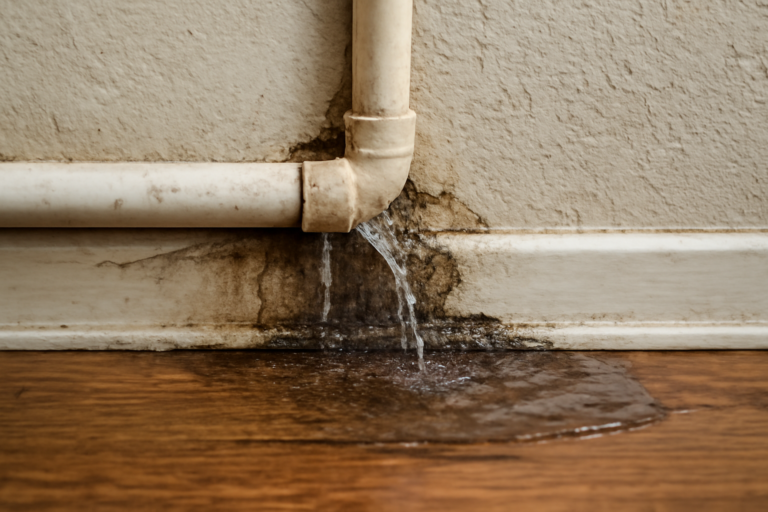
HVAC Leak Water Removal in Yelm, WA
- Over 164 5-Star Reviews
- Free Estimates and Quotes
- 100% Satisfaction Guaranteed
- Child, Family & Pet Safe Steps
- 24-Hour Emergency Service
- Fully Licensed & Insured

Leaky HVAC Systems in Yelm, WA: What You Need to Know
Yelm, WA, experiences an average of 200 days of rain per year, with most of its precipitation falling between November and March. This can put a strain on your home’s HVAC system, causing leaks and water damage. If you’re experiencing issues with your heating and cooling system, it’s essential to address them quickly to prevent costly repairs and potential health risks. Our team has seen firsthand the devastating effects of neglected HVAC leaks, and we’re here to help you avoid those problems.
With over 165+ five-star reviews, you can trust our team to provide top-notch service and expertise with HVAC leak water removal. We’ve helped countless homeowners in the area recover from water damage and get back to their daily lives quickly and efficiently.
- We offer a quick response time, usually within 60 minutes of your call, to reduce further damage and ensure your safety.
- Our technicians are IICRC-certified and equipped with the latest technology to handle even the most complex water damage situations.
- We provide transparent pricing and free estimates to help you understand the costs involved and make informed decisions.
How We Remove Water from HVAC Leaks
Our process for HVAC leak water removal involves a series of steps designed to ensure your property is restored to its original state. We understand that every situation is unique, and our team will work closely with you to develop a customized plan tailored to your specific needs.
Step 1: Assessment and Inspection
We’ll send a trained technician to assess the damage and identify the source of the leak. Our team will use specialized equipment to detect hidden moisture and find out the extent of the damage.
Step 2: Water Extraction
We’ll use industrial-grade pumps and vacuums to remove standing water from your property, reducing the risk of further damage and promoting a safe environment for our technicians to work in.
Step 3: Drying and Dehumidification
We’ll employ advanced drying techniques and equipment to remove excess moisture from your home, including air movers, dehumidifiers, and desiccants. This step is crucial in preventing secondary damage and ensuring your property dries completely.
Step 4: Cleaning and Sanitizing
Our team will thoroughly clean and disinfect your property, removing any remaining debris, silt, or contaminants that may have resulted from the leak.
Step 5: Reconstruction and Repair
Once the drying process is complete, our technicians will work with you to repair or replace any damaged materials, including drywall, flooring, and insulation.
Don’t wait until the damage is irreversible, contact our team today to schedule a consultation and take the first step towards restoring your home to its original condition.

Warning Signs You Need HVAC Leak Water Removal
Ignoring signs of an HVAC leak can lead to costly repairs and potential health risks. Keep an eye out for these warning signs, and don’t hesitate to reach out to our team if you suspect you have a leak:
Musty Odors That Won’t Go Away
If you notice persistent musty smells in your home, it could be a sign of hidden moisture and potential mold growth. Don’t ignore this warning sign, our team can help you identify the source of the odor and provide a solution to remove it.
Water Stains on Your Ceiling or Walls
Water stains can be a clear indication of an HVAC leak. If you notice discoloration or warping on your ceilings or walls, it’s essential to investigate further and address the issue quickly.
Unusual Noises from Your HVAC System
Strange noises from your heating and cooling system can be a sign of a leak or other issues. If you notice unusual sounds, such as hissing, gurgling, or clunking, don’t hesitate to contact our team for help.
Higher Energy Bills
Increased energy bills can be a sign of an inefficient HVAC system, which may be caused by a leak. Our team can help you identify the source of the issue and provide a solution to reduce your energy consumption.
Visible Water Damage
If you notice visible water damage, such as water pooling or standing water, it’s essential to act quickly to prevent further damage and potential health risks.
Increased Humidity
High humidity levels in your home can be a sign of an HVAC leak. Our team can help you identify the source of the issue and provide a solution to reduce humidity levels and prevent mold growth.
HVAC Leak Water Removal vs. DIY: When to Call a Professional
| Situation | DIY? | Call a Pro? | Why |
|---|---|---|---|
| Small leak in a single room | Yes | No | You can likely handle a small leak on your own with basic cleaning supplies and DIY tutorials. |
| Large leak affecting multiple rooms | No | Yes | A large leak needs specialized equipment and expertise to ensure the damage is properly addressed and prevented from worsening. |
| Hidden moisture behind walls or ceilings | No | Yes | Hidden moisture can lead to costly repairs and potential health risks if left untreated. Our team has the necessary equipment and expertise to detect and address hidden moisture. |
| Water damage to electrical parts | No | Yes | Water damage to electrical parts can be hazardous and needs specialized knowledge and equipment to safely address. |
| Musty odors or mold growth | No | Yes | Musty odors and mold growth can be a sign of a more significant issue, and our team can help you identify the source and provide a solution to remove it. |
| Unusual noises from your HVAC system | No | Yes | Strange noises from your HVAC system can be a sign of a leak or other issues, and our team can help you identify the source and provide a solution. |
While DIY solutions might seem appealing, it’s often best to call a professional for HVAC leak water removal. Our team has the necessary expertise, equipment, and experience to handle even the most complex situations, ensuring your property is restored to its original state and your safety is ensured.
HVAC Leak Water Removal Cost in Yelm, WA
The cost of HVAC leak water removal in Yelm, WA, can vary depending on the severity of the damage, the size of the affected area, and local conditions. Our team provides transparent pricing and free estimates to help you understand the costs involved.
| Service | Typical Price Range | What Affects Cost |
|---|---|---|
| Water Extraction | $500 – $2,500 | The cost of water extraction depends on the amount of water involved and the equipment required to remove it. |
| Drying and Dehumidification | $1,000 – $5,000 | The cost of drying and dehumidification depends on the size of the affected area and the complexity of the drying process. |
| Cleaning and Sanitizing | $500 – $2,000 | The cost of cleaning and sanitizing depends on the extent of the damage and the materials affected. |
| Reconstruction and Repair | $1,500 – $10,000 | The cost of reconstruction and repair depends on the extent of the damage and the materials required to restore your property. |
| Antimicrobial Treatment | $200 – $1,000 | The cost of antimicrobial treatment depends on the size of the affected area and the type of treatment required. |
| Inspection and Assessment | $100 – $500 | The cost of inspection and assessment depends on the complexity of the situation and the expertise required to identify the source of the leak. |
Exact pricing depends on an on-site assessment, and we offer free estimates to help you understand the costs involved. Contact our team today to schedule a consultation and take the first step towards restoring your home to its original condition.
Service Areas Near Yelm, WA
Our team serves the following nearby communities:
Steilacoom, WA, Lakewood, WA, Parkland, WA, Spanaway, WA, University Place, WA, Gig Harbor, WA, Fox Island, WA, Key Peninsula, WA, Bremerton, WA, Port Orchard, WA, Shelton, WA, Olympia, WA, Tumwater, WA, Lacey, WA
Common Questions About HVAC Leak Water Removal
How long does it take to remove water from an HVAC leak?
The time it takes to remove water from an HVAC leak depends on the severity of the damage, the size of the affected area, and the complexity of the situation. Our team typically completes the process within 3-5 days, but this can vary depending on the specifics of your case.
Will my insurance cover the cost of HVAC leak water removal?
It’s possible that your insurance may cover some or all of the costs associated with HVAC leak water removal. But, this depends on the specifics of your policy and the circumstances surrounding the damage. Our team can help you navigate the insurance process and ensure you receive the compensation you deserve.
Can I prevent HVAC leaks by regularly maintaining my HVAC system?
Yes, regular maintenance can help prevent HVAC leaks by identifying potential issues before they become major problems. Our team recommends scheduling annual inspections and cleaning to ensure your HVAC system runs efficiently and effectively.
What are the health risks associated with HVAC leaks?
HVAC leaks can pose significant health risks, including mold growth, mildew, and bacterial contamination. Our team takes the necessary precautions to ensure your safety and the safety of our technicians during the removal process.
Check Our Other Relevant Services

Johnson Smith is a licensed Damage Restoration Expert with over 20 years of hands-on experience in disaster recovery and structural mitigation. As a seasoned industry authority, Johnson has dedicated two decades to mastering the technical complexities of environmental safety, providing property owners with the reliable expertise and steady leadership required to navigate high-stress losses with absolute confidence.
𝗖𝗲𝗿𝘁𝗶𝗳𝗶𝗰𝗮𝘁𝗶𝗼𝗻𝘀: Johnson holds elite IICRC credentials, including Water Damage Restoration (WRT), Applied Structural Drying (ASD), Mold Remediation (AMRT), Fire and Smoke Restoration (FSRT), and Odor Control (OCT).
𝗙𝗮𝘃𝗼𝗿𝗶𝘁𝗲 𝗣𝗮𝘀𝘁𝗶𝗺𝗲: When off-site, Johnson is a passionate restoration enthusiast who enjoys rebuilding vintage furniture and hiking, hobbies that reflect the patience and attention to detail he brings to every project.
𝗕𝗲𝘀𝘁 𝗣𝗮𝗿𝘁 𝗼𝗳 𝘁𝗵𝗲 𝗷𝗼𝗯: He finds the most fulfillment in providing a clear path forward for families, turning a site of devastation back into a safe, comfortable home