HVAC Leak Water Removal in Tacoma, WA
Trusted by 160+ Homeowners
- Over 164 5-Star Reviews
- Free Estimates and Quotes
- 100% Satisfaction Guaranteed
- Child, Family & Pet Safe Steps
- 24-Hour Emergency Service
- Fully Licensed & Insured
- Call
- We arrive
- Restored

HVAC Leak Water Removal in Tacoma, WA: Don’t Let Water Damage Spread
You’re standing in your kitchen, sipping your morning coffee, when you notice a faint smell of dampness. You follow the scent to your HVAC system, and that’s when you see it: water pooling around the unit, dripping onto the floor. It’s a cold, hard reality: your HVAC system has leaked, and you need help fast. Our team is here to guide you through the process and restore your home to its former glory.
With over 165 five-star reviews from satisfied homeowners in the area, you can trust our team to provide top-notch service for your HVAC leak water removal needs. We’ve seen it all, from small puddles to catastrophic flooding, and we’re equipped to handle any situation with speed and expertise.
- Fast response times: our crews arrive within 60 minutes to assess and contain the damage.
- Advanced equipment: we use state-of-the-art moisture meters and drying equipment to ensure thorough drying and prevent secondary damage.
- Personalized service: our technicians take the time to explain the process, answer your questions, and provide peace of mind during a stressful time.
How We Remove Water from HVAC Leaks
Our process for HVAC leak water removal is meticulous and thorough. We understand that every minute counts, and that’s why we work quickly and efficiently to contain the damage and prevent further complications.
Step 1: Containment
We quickly contain the affected area to prevent further damage. This involves moving furniture, electronics, and other valuables to a safe location and sealing off the area with plastic sheets and sandbags. Our team will also set up drying equipment and begin the process of extracting water from the affected area.
Step 2: Water Extraction
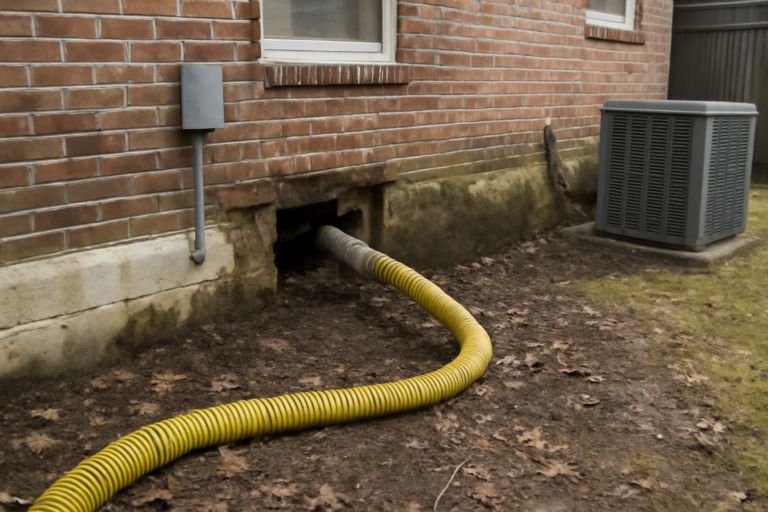
We extract as much water as possible from the affected area using specialized equipment. Our technicians use powerful pumps and wet vacuums to remove standing water and saturated materials, making way for the drying process.
Step 3: Drying and Dehumidification
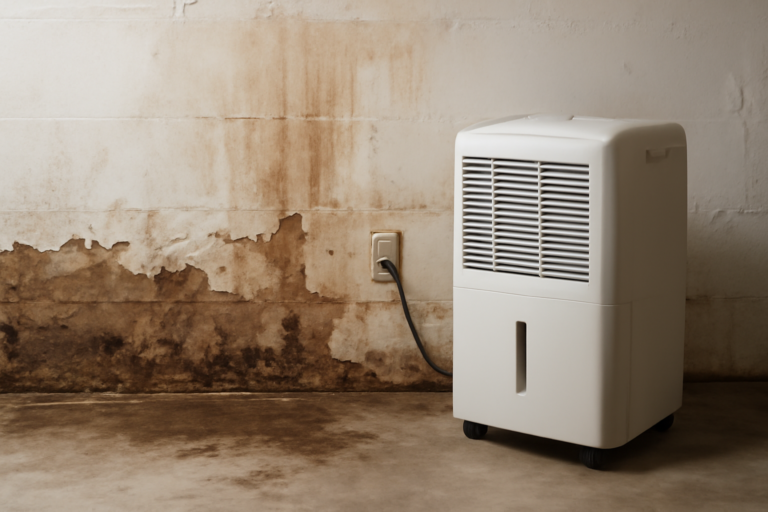
We use advanced equipment to dry and dehumidify the affected area. Our team will set up industrial-strength fans and dehumidifiers to speed up the drying process and prevent secondary damage from mold and mildew.
Step 4: Cleaning and Sanitizing
We thoroughly clean and sanitize the affected area to prevent mold and mildew growth. Our team will use eco-friendly cleaning products and sanitizers to ensure a safe and healthy environment for you and your family.
Step 5: Final Inspection and Testing
We conduct a final inspection to ensure the area is completely dry and free of moisture. Our team will use moisture meters to test the affected area and provide a written report detailing our findings and recommendations for future prevention.
Don’t wait any longer to address the issue. Call us today to schedule an appointment and let our team get to work on restoring your home to its former glory.

Warning Signs You Need HVAC Leak Water Removal
Catching the signs of an HVAC leak early can save you thousands of dollars in repairs and prevent bigger problems down the line. Don’t ignore these warning signs:
Musty Odors That Won’t Go Away
You notice a persistent musty smell in your home, especially near the HVAC system. This is a clear sign that water is seeping into the system and causing damage. Don’t wait to address the issue, call us today.
Water Stains on Your Ceiling or Walls
You see water stains or discoloration on your ceiling or walls near the HVAC system. This shows that water is leaking into the system and causing damage to your home’s structure. Don’t delay, call us to schedule an appointment.
Unusual Noises from Your HVAC System
You hear unusual noises, such as clunking or gurgling sounds, coming from your HVAC system. This could be a sign that the system is leaking or malfunctioning. Don’t ignore these warning signs, call us to schedule an appointment.
Increased Energy Bills
You notice a significant increase in your energy bills, even though you haven’t changed your usage habits. This could be a sign that your HVAC system is working harder than usual due to a leak or malfunction. Don’t wait to address the issue, call us today.
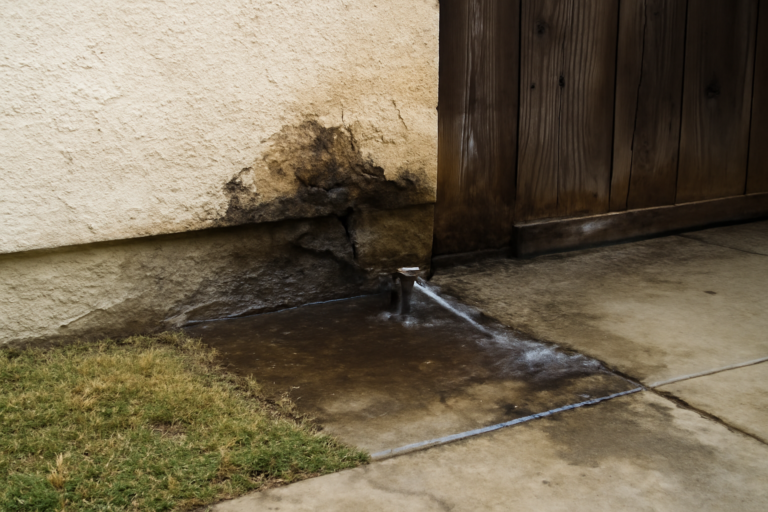
Visible Water Leaks
You see visible water leaks around the HVAC system, including drips, drops, or puddles. This is a clear sign that the system is leaking and needs immediate attention. Don’t delay, call us to schedule an appointment.
Increased Humidity
You notice an increase in humidity in your home, especially near the HVAC system. This could be a sign that the system is leaking or malfunctioning, causing excess moisture to build up in the air. Don’t wait to address the issue, call us today.
HVAC Leak Water Removal vs. DIY: When to Call a Professional
| Situation | DIY? | Call a Pro? | Why |
|---|---|---|---|
| Small water leak (< 1 gallon) | Yes | No | You can likely handle a small leak yourself, but be sure to follow safety protocols and take necessary precautions. |
| Visible water damage (up to 2 inches) | No | Yes | Visible water damage needs professional attention to prevent further damage and ensure a safe environment. |
| Musty odors or unusual noises | No | Yes | These warning signs show a potential issue with your HVAC system, and a professional should be called to assess and address the problem. |
| Increased energy bills or humidity | No | Yes | These symptoms could show a more serious issue with your HVAC system, and a professional should be called to diagnose and repair the problem. |
| Water leaks or damage to electrical parts | No | Yes | Water damage to electrical parts poses a significant safety risk, and a professional should be called to assess and repair the damage. |
| Water damage to structural parts (walls, ceiling, etc.) | No | Yes | Water damage to structural parts needs professional attention to prevent further damage and ensure the structural integrity of your home. |
While DIY solutions may seem like a cost-effective option, they can often lead to more damage and expense in the long run. Our team has the expertise and equipment to handle even the toughest HVAC leak water removal jobs, ensuring a safe and healthy environment for you and your family.
HVAC Leak Water Removal Cost in Tacoma, WA
The cost of HVAC leak water removal can vary depending on the severity of the damage, the size of the affected area, and local conditions in the area. Here are some estimated price ranges for common scenarios:
| Service | Typical Price Range | What Affects Cost |
|---|---|---|
| Small water leak (< 1 gallon) | $500 – $2,000 | Size of affected area, complexity of repair |
| Visible water damage (up to 2 inches) | $2,000 – $5,000 | Size of affected area, extent of damage, equipment needed |
| Musty odors or unusual noises | $1,000 – $3,000 | Complexity of diagnosis, equipment needed, labor costs |
| Increased energy bills or humidity | $1,500 – $4,000 | Complexity of diagnosis, equipment needed, labor costs |
| Water leaks or damage to electrical parts | $3,000 – $6,000 | Complexity of repair, equipment needed, labor costs |
| Water damage to structural parts (walls, ceiling, etc.) | $5,000 – $10,000 | Complexity of repair, equipment needed, labor costs |
Keep in mind that these estimates are based on average scenarios and may vary depending on your specific situation. We offer free on-site assessments to find out the extent of the damage and provide a customized quote for your HVAC leak water removal needs.
Service Areas Near Tacoma, WA
We serve the following nearby communities: Lakewood, University Place, Steilacoom, DuPont, Gig Harbor, Fox Island, Key Peninsula, Bremerton, Silverdale, Poulsbo, Kingston, Hansville, Seabeck, Olalla, Vaughn, and Purdy.
Common Questions About HVAC Leak Water Removal
Will I need to replace my entire HVAC system?
No, in most cases, we can repair or replace individual parts to get your system up and running again. But, if the damage is extensive or your system is old, it may be more cost-effective to replace the entire system.
How long will it take to complete the repair?
The length of time it takes to complete the repair depends on the severity of the damage, the size of the affected area, and the complexity of the repair. In most cases, we can complete the repair within 3-5 days, but this may vary.
Will you work with my insurance company?
Yes, we work with all major insurance companies to ensure a smooth and hassle-free claims process. We’ll handle all communication with your insurance provider and ensure that you receive the coverage you deserve.
Can I prevent HVAC leaks from happening in the future?
Yes, regular maintenance and inspections can help prevent HVAC leaks from occurring. We recommend scheduling annual maintenance checks to ensure your system is running efficiently and effectively.
Do you offer any guarantees or warranties?
Yes, we offer a satisfaction guarantee and a warranty on all our work. If you’re not satisfied with our services, we’ll work with you to resolve the issue. Also, our warranty ensures that any repairs or replacements we make will be covered for a certain period of time.
Check Our Other Relevant Services
Serving Tacoma, WA And Nearby Areas