Summit, WA · Pierce County
Contaminated Water Removal in Summit, WASewage Water Cleanup & Black Water Extraction
Contaminated Water Removal in Summit runs from emergency water mitigation and sewage backup water removal to contaminated carpet removal.
Answered 24/7
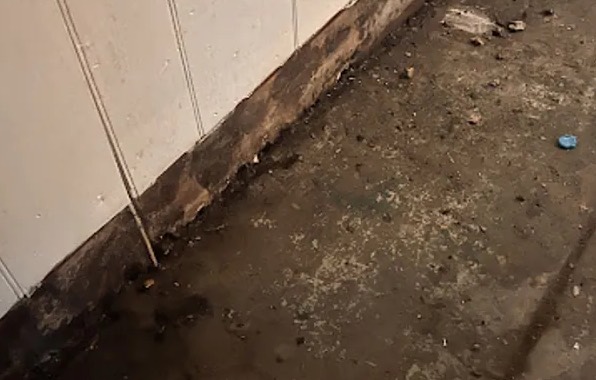
Expert Contaminated Water Removal for Summit Homes and Businesses
Gray water and black water are the two kinds of contaminated water. In Summit homes, gray water comes from appliances and sink drains, and black water comes from sewage and floodwater.
Homeowners in Summit can call (253) 453-4973 day or night when sewage or dirty water spreads. Service also covers Waller, Midland and Puyallup, with the same safety and cleanup steps.
Contaminated Water Removal and Restoration Services in Summit
Sewage Water Cleanup
Contaminated materials are bagged and disposed of according to local rules, and the removed items are listed for insurance.
Black Water Extraction
Black water extraction starts with containment, so contamination is not tracked through the house during cleanup.
Sewage Backup Water Removal
Sewage cleanup follows a set order: contain, extract, remove porous materials, clean and disinfect, then dry.
Toxic Spill Water Removal
Water mixed with household chemicals, fuel or oil is handled with protective gear and removed without spreading it further.
Contaminated Carpet Removal
The subfloor under removed carpet is cleaned, disinfected and dried before new flooring goes down.
Signs of Contaminated Water Damage in Summit
Gray Water From Appliance Leaks
Water from a washer or dishwasher drain is gray water and needs cleaning, not just drying.
Chemical Smell Near Standing Water
A chemical or fuel smell near water means something hazardous may be mixed in. Keep clear.
Foul Odors From Standing Water
Standing water with a foul or sewage smell is contaminated and should not be touched without protection.
Water From an Unknown Source
Water you cannot trace to a clean supply line should be treated as contaminated until checked.
How Contaminated Water Removal Works in Summit
Step 1: Emergency Assessment and Containment
Water use is stopped, power is made safe and the area is sealed off with plastic sheeting.
Step 2: Contaminated Water Extraction
Workers in protective gear extract the water and remove solids and debris.
Step 3: Deep Cleaning and Disinfection
Porous materials such as carpet and drywall are removed, and hard surfaces are scrubbed and disinfected.
Step 4: Drying and Moisture Control
Air movers, dehumidifiers and air scrubbers dry the structure, with readings taken daily.
Common Causes of Water Damage in Summit
Gray Water Source Overflow
Overflowing laundry tubs and sinks send gray water across floors and into nearby rooms.
Severe Sewer Line Blockages
Tree roots, grease and debris block sewer lines and push wastewater back into the home.
Plumbing System Failures
Cracked drain pipes and failed fittings leak wastewater into walls, floors and crawl spaces.
Heavy Rainfall and Flooding
Heavy rain and flooding carry soil, chemicals and sewage into buildings through doors and walls.
Contaminated Water Removal Across Summit Residential and Commercial Sectors
Residential Contaminated Water Removal
A gray water leak from a washer is often less severe than sewage, but it still needs cleaning before drying.
Commercial Contaminated Water Removal
Medical offices, schools and childcare centers need contaminated water cleanup that meets the health rules for those spaces before reopening.
Professional Contaminated Water Removal Over DIY in Summit, WA
Bleach poured on sewage can create harsh fumes and does not clean porous materials. Contaminated carpet, pad and drywall need to be removed, not sprayed.
Estimating Contaminated Water Removal Expenses in Pierce County
Disposal of contaminated materials, crawl space or below-grade access and after-hours calls all add to the total for contaminated water removal in Summit.
Contamination Category
Black water costs more to clean up than gray water, since more materials are removed and disinfected.
Water Source and Volume
A large volume of water, or water from several sources, adds pumping and cleanup time.
Affected Area Size
Larger contaminated areas need more extraction, more removal of materials, more disinfection and more drying.
Does Insurance Cover Contaminated Water Removal?
Photos, removal lists, moisture readings and drying logs from local water extraction experts help support a contaminated water damage claim in Summit.
Benefits of Local Pros for Contaminated Water Removal in Summit, WA
Preventive Mold Strategies
Fast cleanup and drying, plus treatment where needed, limits microbial growth after contaminated water.
Structural Drying Expertise
Walls, subfloors and framing are dried after cleaning, not just the visible surfaces.
Moisture Mapping
Meters show where contaminated water spread under flooring, into walls and toward other rooms.
Around-the-Clock Emergency Contaminated Water Removal in Summit
Toilet or floor drain overflowing with sewage? Keep children and pets away and call (253) 453-4973 now for contaminated water removal in Summit.
Call Now (253) 453-4973Contaminated Water Removal Near Summit: Areas Served
Nearby areas served for contaminated water removal include Waller, Midland and Puyallup, with the same containment and cleanup steps used in Summit.
- Contaminated Water Removal in Waller
- Contaminated Water Removal in Midland
- Contaminated Water Removal in Puyallup
- Contaminated Water Removal in Parkland
- Contaminated Water Removal in South Hill
- Contaminated Water Removal in Fife Heights
- Contaminated Water Removal in Edgewood
- Contaminated Water Removal in Milton
Frequently Asked Questions About Contaminated Water Removal
Is it safe to stay home during contaminated water cleanup?
Often yes, if the work area is contained and you stay out of it. People with health concerns may prefer to stay elsewhere.
What are dehumidification services used for after contaminated water?
Drying walls, floors and framing after cleaning, so cleaned surfaces do not stay damp.
What is the difference between water extraction and restoration?
Extraction removes the water. Restoration includes cleaning, disinfection, drying and preparing the area for repairs.
What happens during the drying phase after cleanup?
Air movers and dehumidifiers dry the cleaned structure, and readings are taken daily until it is normal.
How does emergency water mitigation help prevent mold?
Removing contaminated water and materials quickly and drying the structure keeps microbial growth from starting.