SeaTac, WA · King County
Basement Water Removal in SeaTac, WABasement Moisture Inspection & Basement Dehumidification
Basement Water Removal in SeaTac runs from basement water pump out and basement drying services to basement dehumidification.
Answered 24/7
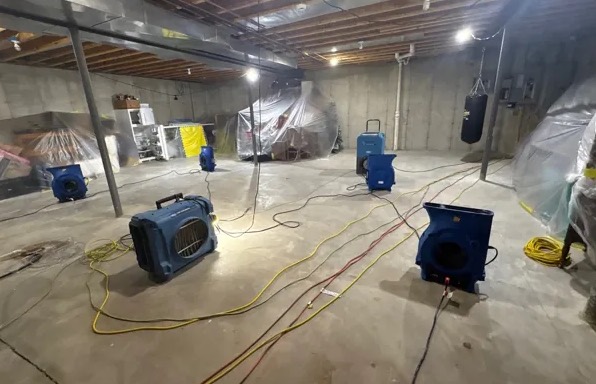
Professional Basement Water Removal in SeaTac, WA
Basement Water Removal in SeaTac protects more than the floor. Furnaces, water heaters, washers and stored belongings in the basement can all be damaged by standing water.
In SeaTac, when a basement or below-grade room takes on water, it usually follows heavy rain, a sewer backup or a burst pipe. Local basement drying experts serve SeaTac, Tukwila, Normandy Park and Des Moines, pumping water out and drying the space.
The Basement Water Removal Process in SeaTac
Basement Moisture Inspection
Readings are recorded at each visit, giving you and your insurer a clear record of the drying.
Basement Dehumidification
Large dehumidifiers pull moisture from basement air, which lets walls, framing and the slab release the water they absorbed.
Basement Water Pump Out
Pumping starts once power to the basement is safe. Deep water goes first, then extractors handle the thin layer left on the floor.
Basement Floor Water Damage
Flooring that buckled or swelled is removed. Tile and sealed concrete can often be cleaned and dried in place.
Basement Wall Drying
Concrete and block walls dry with directed airflow and dehumidification, which pull water out of the masonry.
Signs of Basement Water Damage in SeaTac
Mold or Mildew
Dark spots on drywall, framing or stored items mean the area has stayed wet for days.
Wet or Damp Basement Walls
Basement walls that look dark, feel damp or show tide lines are taking on or holding water.
Gurgling Sounds From Drains
Gurgling floor drains or slow drains can be an early sign of a sewer line problem.
Musty Odors and Mold Smell
A musty or damp smell in the basement points to wet materials hidden somewhere in the space.
How Basement Water Removal Works in SeaTac
Step 1: First Call and Initial Assessment
The source, the type of water and the depth are checked, and the water level is photographed.
Step 2: Bulk Water and Contaminant Removal
Pumps remove standing water, and carpet, pad or drywall touched by dirty water is removed.
Step 3: Drying With Monitoring
Dehumidifiers and air movers run around the clock, with readings logged every day on walls and slab.
Step 4: Post-Drying Evaluation and Documentation
Final readings and photos are compiled to show the basement is dry and what was removed.
What Causes Water Damage in Basements
Appliance Malfunctions and Overflows
Washers, utility sinks and water softeners in the basement can overflow or leak.
Improper Landscape Grading
Soil that slopes toward the house directs rainwater straight to the basement walls.
Sump Pump Malfunction or Power Loss
A sump pump that fails mechanically or loses power during a storm lets groundwater rise.
Plumbing Leaks or Pipe Bursts
Supply lines, drain pipes and water heaters in the basement can leak or burst onto the floor.
Residential and Commercial Basement Water Removal in SeaTac
Residential Basement Water Removal
Finished basements used as bedrooms or family rooms need careful moisture checks behind walls and under flooring, since that is where water hides.
Commercial Basement Water Removal
Businesses with below-grade storage need wet inventory moved out and documented. Drying is planned around daily operations wherever possible.
Why DIY Basement Water Removal Often Fails in SeaTac
Checking appliance hoses and extending downspouts away from the house are good DIY steps before storm season. Once the basement floods, call (253) 453-4973 for help.
Understanding Basement Water Removal Pricing
The cost of basement water removal in SeaTac depends on how deep the water is, what type of water it is and how much finished material has to come out.
Additional Services
Antimicrobial treatment, contents cleaning and repairs after drying add to the cost.
Basement Square Footage
Larger basements need more extraction, more drying equipment and more days of drying.
Access and Complexity
Narrow stairs, low ceilings and crowded storage areas make the work slower and longer.
Does Insurance Cover Basement Water Removal?
Flooding from outside water usually needs separate flood insurance. Water from a broken pipe or appliance inside is more often covered.
The Value of Professional Basement Water Removal
Post-Service Moisture Verification
Final readings are recorded before equipment leaves, so you know the basement is dry.
Clear Communication
You get plain updates on what was found, what was removed and how drying is going.
Contamination Safety Protocols
Sewage and dirty water are handled with protective gear, containment and disinfection.
Emergency Basement Water Removal Available 24/7
Basement taking on water in SeaTac? Make power safe if you can, move what you can and call (253) 453-4973. Help is available 24/7.
Call Now (253) 453-4973Basement Water Removal Near SeaTac: Areas Served
Nearby areas served for basement water removal include Tukwila, Normandy Park and Des Moines, with the same pumping and drying steps used in SeaTac.
- Basement Water Removal in Tukwila
- Basement Water Removal in Normandy Park
- Basement Water Removal in Des Moines
- Basement Water Removal in Burien
- Basement Water Removal in Renton
- Basement Water Removal in Clover Creek
- Basement Water Removal in Kent
- Basement Water Removal in Mercer Island
- Emergency Damage Restoration in 98158
- Storm Damage Restoration in 98158
- Water Damage Restoration in 98158
- Water Extraction Service in 98158
- Water Leak Detection in 98158
- Water Removal Service in 98158
- Emergency Damage Restoration in 98188
- Storm Damage Restoration in 98188
Answers to Top Basement Water Removal Queries
How is contaminated water handled in a basement?
With protective gear, containment, removal of porous materials and disinfection of hard surfaces before drying.
How is basement wall drying done?
Wet drywall is cut back, insulation removed and directed airflow and dehumidifiers dry the studs and masonry.
Why is fast water removal so important for basements?
Basements dry slowly, so every hour of standing water adds drying days and more materials to replace.
Can I dry my basement myself with fans?
Fans help with surface water, but walls and concrete need dehumidifiers and readings to dry fully.
What is involved in basement water removal?
Making power safe, pumping out standing water, extracting floors and carpet, removing soaked materials and dehumidifying until dry.