Gig Harbor, WA · Pierce County
Basement Water Removal in Gig Harbor, WABasement Wall Drying & Basement Dehumidification
Homeowners in Gig Harbor get Basement Water Removal for basement floor water damage, basement water pump out and basement moisture inspection.
Answered 24/7
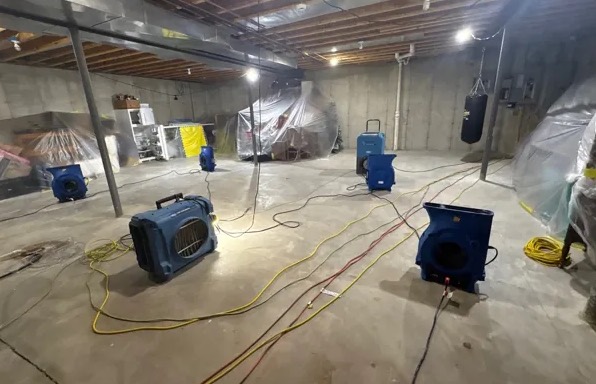
Basement Water Removal Solutions for Gig Harbor Homeowners
In Gig Harbor homes with a basement or below-grade room, water usually comes from storms, sewer backups or plumbing leaks overhead. The source decides how the water is handled and what can be saved.
Homeowners in Gig Harbor can call (253) 453-4973 day or night when the basement is taking on water. Service also covers Maplewood, Artondale and Wollochet, with the same pumping and drying steps.
Specialized Basement Water Removal for Gig Harbor
Basement Wall Drying
Basement walls are checked with moisture meters. Wet drywall is cut back above the water line, and insulation behind it is removed.
Basement Dehumidification
Large dehumidifiers pull moisture from basement air, which lets walls, framing and the slab release the water they absorbed.
Basement Moisture Inspection
An inspection shows how high water wicked up the walls and how far it spread under flooring, which sets the drying plan.
Basement Drying Services
After pumping, air movers and dehumidifiers dry the walls, framing and slab. Readings are taken daily until every surface is back to normal.
Basement Water Pump Out
Pumping starts once power to the basement is safe. Deep water goes first, then extractors handle the thin layer left on the floor.
Warning Signs You Need Basement Water Removal
Mold or Mildew
Dark spots on drywall, framing or stored items mean the area has stayed wet for days.
Soggy or Wet Carpeting
Carpet that feels damp or smells sour is holding water in the pad against the concrete.
Rusted Appliances or Furniture
Rust on appliance bases, furniture legs or metal shelving points to standing water or long-term dampness.
Water Stains on Walls or Ceiling
Stains on lower walls or the ceiling below a bathroom or kitchen point to a leak.
How Basement Water Removal Works in Gig Harbor
Step 1: Source Control and Water Pump Out
The leak is shut off and standing water is pumped out, starting at the lowest point.
Step 2: Water Extraction
Extractors pull water from carpet, pad and concrete, and wet vacs clear corners and stairs.
Step 3: Dehumidification and Drying
Large dehumidifiers and air movers dry walls, framing and slab over several days.
Step 4: Inspection and Clearance for Repair
Final readings confirm the basement is dry and ready for drywall and flooring repairs.
Why Basements Flood in Gig Harbor
Foundation Cracks and Seepage
Cracks in foundation walls and the slab let groundwater seep in during wet weather.
Improper Landscape Grading
Soil that slopes toward the house directs rainwater straight to the basement walls.
Window Well Leaks and Drainage
Window wells without drains or covers fill with rain and leak through the windows.
Heavy Rainfall and Storm Flooding
Heavy rain saturates the soil and pushes water through walls, cracks and the floor joint.
Residential and Commercial Basement Water Removal in Gig Harbor
Residential Basement Water Removal
Families should keep children and pets away from basement water until power is safe and the type of water is known.
Commercial Basement Water Removal
In restaurants and shops, basement water near food or stock storage needs removal and cleaning before those areas are used again.
Basement Water Removal vs. DIY: When to Call the Pros
You can move belongings up off the floor and run the dehumidifier you already own. Drying soaked walls and slab needs larger equipment and readings to confirm the job is done.
Investing in Professional Basement Water Removal
In Gig Harbor, the drying phase usually costs more than the pumping, because basements need equipment running for several days.
Basement Square Footage
Larger basements need more extraction, more drying equipment and more days of drying.
Access and Complexity
Narrow stairs, low ceilings and crowded storage areas make the work slower and longer.
Drying Time Required
Basements dry slowly, and each extra day of equipment adds to the total.
Does Insurance Cover Basement Water Removal?
Many homeowner policies cover sudden basement water from a burst pipe but not groundwater seepage. Sewer backup coverage is often an add-on, so check yours.
Why Choose Local Pros for Basement Water Removal in Gig Harbor
Moisture Inspection
Meters and thermal cameras find water in walls, floors and slab that looks dry.
Methodical Water Removal Process
Water is removed in a set order: pump-out, extraction, removal of soaked materials, then drying.
Clear Communication
You get plain updates on what was found, what was removed and how drying is going.
Round-the-Clock Basement Water Removal for Gig Harbor
Water still rising in the basement? Call (253) 453-4973 now for basement water removal in Gig Harbor before the water reaches finished rooms and stored belongings.
Call Now (253) 453-4973Basement Water Removal Near Gig Harbor: Areas Served
Besides Gig Harbor, local water extraction experts handle basement pump-outs, wall drying and dehumidification in nearby Maplewood, Artondale and Wollochet.
- Basement Water Removal in Maplewood
- Basement Water Removal in Artondale
- Basement Water Removal in Wollochet
- Basement Water Removal in University Place
- Basement Water Removal in Fircrest
- Basement Water Removal in Port Orchard
- Basement Water Removal in Tacoma
- Basement Water Removal in Steilacoom
- Emergency Damage Restoration in 98329
- Storm Damage Restoration in 98329
- Water Damage Restoration in 98329
- Water Extraction Service in 98329
- Water Leak Detection in 98329
- Water Removal Service in 98329
- Emergency Damage Restoration in 98332
- Storm Damage Restoration in 98332
Common Basement Water Removal Questions Answered
Why is basement dehumidification important after pumping?
Walls and concrete keep releasing moisture for days. Dehumidifiers remove it so the basement does not stay damp.
Does basement flood cleanup include mold prevention?
Fast drying is the main prevention. Wood and concrete that stayed wet can be treated with an antimicrobial once dry.
What equipment is used for basement water extraction?
Submersible pumps, extractors, wet vacs, air movers, large dehumidifiers and moisture meters to confirm drying.
What is the difference between a pump out and extraction?
A pump out removes deep standing water. Extraction pulls the remaining water from carpet, pad and floors.
What should I do right after basement flooding?
Make power safe, avoid sewage, move belongings above the water, take photos and call for water removal.