Fircrest, WA · Pierce County
Basement Water Damage Restoration in Fircrest, WABasement Drying Services & Basement Sewer Backup Cleanup
Basement Water Damage Restoration in Fircrest runs from basement water extraction and basement floor water removal to basement dehumidification.
Answered 24/7
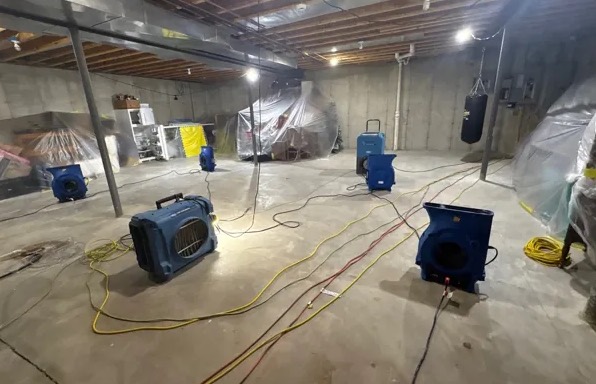
Basement Water Damage Restoration Solutions in Fircrest, Washington
In Fircrest, a damp, musty basement or lower room often means water damage that was never fully dried. Old leaks can leave moisture in walls and under flooring long after the water is gone.
Homes in Fircrest and nearby University Place, Tacoma and Lakewood with basements deal with seepage, plumbing leaks and sewer backups. Help with basement water damage restoration covers pumping, removal of wet materials and drying of walls and concrete.
The Basement Water Damage Restoration Process in Fircrest
Basement Drying Services
Equipment is adjusted each day based on moisture readings until every material reaches its normal level.
Basement Sewer Backup Cleanup
After a sewer backup, cleanup and disinfection come before drying, so contaminated surfaces are not left in place.
Emergency Basement Flood Cleanup
Emergency cleanup starts with stopping the source where possible, checking for electrical hazards and pumping out the water.
Basement Floor Water Removal
Wet carpet pad is removed from basement floors, since it holds water against the concrete and dries poorly.
Basement Water Extraction
Submersible pumps remove deep standing water, then portable extractors pull water from carpet, pad and the concrete floor.
Warning Signs You Need Basement Water Damage Restoration
Damp or Musty Odors
A damp, earthy or musty smell in the basement often means hidden moisture in walls, carpet or the slab.
Wet or Stained Basement Walls
Dark, wet patches or tide lines on basement walls show where water seeped in or wicked up.
High Humidity Levels Below-Grade
A basement that stays damp and clammy even on dry days has a moisture source that needs attention.
Warped or Buckling Basement Floors
Laminate, wood or vinyl flooring that buckles or lifts in the basement has water underneath.
How Basement Water Damage Restoration Works in Fircrest
Step 1: Initial Assessment and Water Removal
The source and type of water are identified, and standing water is removed right away.
Step 2: Focused Drying of Materials
Walls, framing and the slab are dried with directed airflow, with wet insulation removed.
Step 3: Air Quality Management
Air scrubbers filter dust and odors from removal work while drying continues.
Step 4: Documentation for Restoration
Photos, readings and a list of removed materials are prepared for insurance and rebuilding.
Why Basement Water Damage Occurs in Fircrest
HVAC Condensate Line Overflow
A clogged furnace or air conditioner condensate line can overflow onto the floor of a basement or lower-level utility room.
Clogged Floor Drains
A floor drain blocked by debris cannot carry off water from a leak or overflow, so it spreads across the basement floor.
High Water Table and Hydrostatic Pressure
A high water table pushes groundwater up through the slab and into the joints between wall and floor.
Failed or Clogged Drain Tile
Clogged or collapsed drain tile around the foundation lets water build up against the walls.
Home and Business Basement Water Damage Restoration in Fircrest
Residential Basement Water Damage Restoration
Finished basements used as living space need carpet, pad and lower drywall checked carefully. Soaked materials are removed so the walls and slab can dry.
Commercial Basement Water Damage Restoration
Businesses with below-grade storage need inventory moved out of the water quickly. Wet stock is separated and documented for insurance.
Basement Water Damage Restoration vs. DIY: When to Call the Pros
Fans alone can push damp air into the rest of the house. Basement drying needs dehumidifiers to pull the moisture out of the air and the concrete.
Cost Considerations for Basement Water Damage Restoration in Fircrest
Sewage cleanup, finished walls, storm-night calls and damaged appliances all add to the total for basement water damage restoration in Fircrest.
Secondary Damage
Damage to furnaces, water heaters and belongings adds repair and replacement costs.
Emergency Service
Night, weekend and storm calls can cost more than a scheduled visit.
Water Category
Clean water costs less to handle than sewage, which needs protective gear, removal and disinfection.
Does Insurance Cover Basement Water Damage Restoration?
Photograph the water level, damaged belongings and appliances before cleanup starts, and keep receipts for emergency pumping and drying to send to your insurer.
Reasons to Hire Local Pros for Basement Water Damage Restoration in Fircrest
Advanced Moisture Detection
Moisture meters and thermal cameras find water in walls and slabs that looks dry.
Containment Strategies
Plastic sheeting keeps contaminated areas separate from clean parts of the house.
Structural Integrity Assessment
Walls, stairs and framing are checked for damage before work begins in the basement.
Fircrest Emergency Basement Water Damage Restoration Response
Every hour of standing water in a basement means more drywall and flooring to replace. Call (253) 453-4973 for basement water damage restoration in Fircrest.
Call Now (253) 453-4973Basement Water Damage Restoration Serving Fircrest, University Place, Tacoma and Lakewood
Help with basement water damage restoration reaches University Place, Tacoma and Lakewood, plus other communities around Fircrest, for finished and unfinished basements alike.
- Basement Water Damage Restoration in University Place
- Basement Water Damage Restoration in Tacoma
- Basement Water Damage Restoration in Lakewood
- Basement Water Damage Restoration in Wollochet
- Basement Water Damage Restoration in Steilacoom
- Basement Water Damage Restoration in Artondale
- Basement Water Damage Restoration in Waller
- Basement Water Damage Restoration in Midland
- Emergency Damage Restoration in 98465
- Storm Damage Restoration in 98465
- Water Damage Restoration in 98465
- Water Extraction Service in 98465
- Water Leak Detection in 98465
- Water Removal Service in 98465
- Emergency Damage Restoration in 98466
- Storm Damage Restoration in 98466
Basement Water Damage Restoration Common Questions Answered
Does basement mold prevention need special steps after flooding?
Fast drying is the main step. Wood and concrete that stayed wet can be treated with an antimicrobial once dry.
Is basement floor water removal different from carpet extraction?
Yes. Bare concrete is squeegeed and dried, while carpet and pad need extraction, and the pad is usually replaced.
What health risks come with delayed basement flood cleanup?
Standing water and wet materials can support bacteria and microbial growth, and sewage carries contaminants that need disinfection.
What causes the most common below-grade leaks in homes?
Sump pump failures, foundation cracks, clogged drain tile, sewer backups and burst pipes in the basement ceiling.
What is the purpose of basement wall drying?
To remove water from drywall, insulation, framing and concrete so the walls can be repaired without trapping moisture.