Bremerton, WA · Kitsap County
Basement Water Damage Restoration in Bremerton, WABasement Drying Services & Basement Floor Water Removal
Basement Water Damage Restoration in Bremerton includes emergency basement flood cleanup, basement sewer backup cleanup and basement wall drying.
Answered 24/7
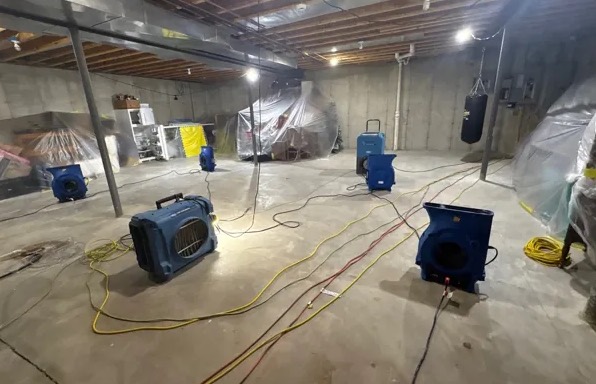
Local Basement Water Damage Restoration Near Bremerton
Sewage backups are one of the most common problems in any basement or lower level, including in Bremerton. Water coming up through a floor drain or basement toilet carries bacteria and needs a different cleanup than clean water.
One burst pipe or heavy storm in Bremerton can flood a basement. Local water damage pros serve Bremerton and nearby Port Orchard, Silverdale and Bainbridge Island, with help available around the clock.
Basement Water Damage Restoration Solutions Available in Bremerton
Basement Drying Services
Drying a basement takes longer than drying an upper floor because the air is cool and the concrete holds moisture.
Basement Floor Water Removal
Water on a concrete floor is squeegeed and extracted, and floor coverings such as carpet, vinyl or laminate are lifted to dry the slab.
Basement Water Extraction
Basement water is removed before drying starts, because every gallon left behind keeps the walls and air damp.
Basement Dehumidification
Large dehumidifiers pull moisture from the basement air so walls, framing and the slab can release their water.
Basement Mold Prevention
Fast extraction and drying are the main ways to limit microbial growth in a basement. Surfaces that stayed wet can be treated once dry.
When to Consider Basement Water Damage Restoration for Your Bremerton Home
Mold on Surfaces
Dark spots on drywall, framing or stored boxes mean the area has stayed wet for days.
Wet or Stained Basement Walls
Dark, wet patches or tide lines on basement walls show where water seeped in or wicked up.
Warped or Buckling Basement Floors
Laminate, wood or vinyl flooring that buckles or lifts in the basement has water underneath.
Sewage Odors or Backups
Sewage smells or water coming up through a floor drain mean the sewer line is backing up.
How Basement Water Damage Restoration Works in Bremerton
Step 1: Water Removal
Pumps and extractors remove standing water from the basement floor, starting at the lowest point.
Step 2: Targeted Moisture Evaporation
Air movers are aimed at wet walls, framing and the slab to speed evaporation.
Step 3: Humidity Control
Large dehumidifiers pull moisture from the basement air, with readings checked every day.
Step 4: Final Verification and Restoration
Final readings confirm the basement is dry, and the space is ready for drywall and flooring repairs.
Frequent Sources of Water Damage in Bremerton
Water Heater or Appliance Leaks
Water heaters, washers and utility sinks in the basement can leak or fail without warning.
Window Well Flooding
Window wells without drains or covers fill with rain and leak through basement windows.
Stormwater Runoff Into Lower Levels
Heavy rain running off hard ground or a sloped yard can pour down stairwells and under doors into below-grade rooms.
HVAC Condensate Line Overflow
A clogged furnace or air conditioner condensate line can overflow onto the floor of a basement or lower-level utility room.
Basement Water Damage Restoration for All Properties in Bremerton
Residential Basement Water Damage Restoration
In homes, a flooded basement often means damaged carpet, drywall, a furnace or water heater and stored belongings. Water is pumped out, contents are moved and the space is dried.
Commercial Basement Water Damage Restoration
In commercial buildings, basements hold mechanical rooms, storage and sometimes offices. Water is removed and equipment areas are dried so systems can be checked and restarted.
When to DIY and When to Call the Pros for Basement Water Damage Restoration
Keeping gutters and downspouts clear and checking water heater and washer hoses are good DIY steps before storm season. Once water is on the floor, call (253) 453-4973.
Understanding Basement Water Damage Restoration Pricing in Bremerton
Sewage cleanup, finished walls, storm-night calls and damaged appliances all add to the total for basement water damage restoration in Bremerton.
Drying Time Required
Basements dry slowly, and longer drying means more equipment days and monitoring visits.
Water Category
Clean water costs less to handle than sewage, which needs protective gear, removal and disinfection.
Dehumidification Needs
Large dehumidifiers may need to run longer in below-grade spaces than in upper floors.
Does Insurance Cover Basement Water Damage Restoration?
Flood damage from rising outside water usually needs flood insurance. Water from inside the home, like a broken pipe, is more often covered.
The Value of Local Pros for Basement Water Damage Restoration in Bremerton
Advanced Moisture Detection
Moisture meters and thermal cameras find water in walls and slabs that looks dry.
Water Type Handling
Clean water, gray water and sewage are each handled with the right protection and removal steps.
Industry Drying Standards
Drying follows industry water damage standards, with readings taken at every visit.
Emergency Basement Water Damage Restoration Available in Bremerton
Sewage coming up through a floor drain? Stop using water in the house and call (253) 453-4973 now for basement water damage restoration in Bremerton.
Call Now (253) 453-4973Basement Water Damage Restoration Serving Bremerton, Port Orchard, Silverdale and Bainbridge Island
Besides Bremerton, local water damage pros handle basement pumping, drying and dehumidification in nearby Port Orchard, Silverdale and Bainbridge Island.
- Basement Water Damage Restoration in Port Orchard
- Basement Water Damage Restoration in Silverdale
- Basement Water Damage Restoration in Bainbridge Island
- Basement Water Damage Restoration in Maplewood
- Basement Water Damage Restoration in Burien
- Basement Water Damage Restoration in Gig Harbor
- Basement Water Damage Restoration in Normandy Park
- Basement Water Damage Restoration in Shoreline
- Emergency Damage Restoration in 98310
- Storm Damage Restoration in 98310
- Water Damage Restoration in 98310
- Water Extraction Service in 98310
- Water Leak Detection in 98310
- Water Removal Service in 98310
- Emergency Damage Restoration in 98311
- Storm Damage Restoration in 98311
Basement Water Damage Restoration FAQs
Is basement floor water removal different from carpet extraction?
Yes. Bare concrete is squeegeed and dried, while carpet and pad need extraction, and the pad is usually replaced.
What equipment is used for below-grade water damage repair?
Submersible pumps, extractors, air movers, large dehumidifiers, moisture meters and air scrubbers for dust and odor.
What is involved in basement water damage restoration?
Pumping out water, removing soaked materials, cleaning contaminated areas, drying walls, framing and concrete, and dehumidifying until readings are normal.
What health risks come with delayed basement flood cleanup?
Standing water and wet materials can support bacteria and microbial growth, and sewage carries contaminants that need disinfection.
Why is quick action important for below-grade flood restoration?
Basements dry slowly, so every hour of standing water adds days of drying and more material to replace.